

For federally funded community health centers, improving community health has always meant more than providing medical care. As local employers face growing challenges with workforce recruitment, retention, absenteeism, burnout, and rising health-care needs, community health centers can become strategic partners in addressing one of the most important issues facing local economies: workforce health.
The workplace is an often-overlooked setting for improving community health. Local businesses serve large segments of the community every day, yet many small and midsize employers lack the resources to establish comprehensive employee wellness programs. Community health centers can help fill that gap by bringing preventive care, health education, behavioral-health resources, and community-resource navigation directly into the workplace.
These partnerships can begin with relatively simple initiatives. A health center might offer periodic workplace wellness events that include blood-pressure and diabetes screening, vaccinations, nutrition education, physical-activity programs, and health-literacy sessions. Behavioral-health professionals can provide education on stress, burnout, and resilience, while Community Health Workers can help employees navigate primary care, behavioral health, transportation, food, housing, and other community resources.
This model's value extends beyond individual employees. A healthier workforce can contribute to a healthier local economy. Employers benefit when employees have greater access to preventive care, appropriate treatment, and resources that address barriers to good health. Healthier employees can potentially mean fewer missed workdays, improved employee engagement, and stronger recruitment and retention. For communities competing for new businesses and workers, workforce health can become an important component of economic competitiveness.
The opportunity also aligns naturally with the community health center mission and HRSA's emphasis on collaboration within the health center's service area. HRSA does not require health centers to maintain a specific number of business partnerships, but meaningful collaboration with community organizations can help health centers better address identified community needs. Health centers can document employer partnerships through appropriate agreements, work plans, joint initiatives, and other evidence of collaboration.
Health centers can take this concept a step further by working with chambers of commerce, workforce-development organizations, economic-development agencies, and local governments. Together, these organizations could establish a Community Workforce Wellness Network that connects employers with health resources and creates a coordinated strategy for improving workforce health.
The model can also be customized to the local economy. A community with a large hospitality workforce might focus on behavioral health, sleep, nutrition, and stress management. A manufacturing community could emphasize cardiovascular health, injury prevention, and ergonomics. Rural communities might use mobile health services and Community Health Workers to bring care directly to dispersed worksites.
This approach represents a shift in how community health centers think about their role. Rather than waiting for employees to enter the health center as patients, the health center can engage them where they live, work, and spend their time.
The result is a partnership that benefits everyone: employees gain better access to health resources, employers gain a healthier and more resilient workforce, and communities gain a stronger connection between health care and economic development.
For community health centers looking for innovative ways to expand their community impact, workforce wellness offers an opportunity to move beyond the clinic and into the community—helping build not only healthier people, but healthier workplaces and stronger local economies.
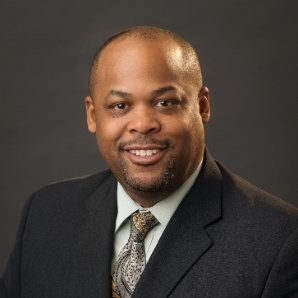
Vance Farrow is the Healthcare Industry Specialist for the Nevada Governor’s Office of Economic Development. He is responsible for supporting the recruitment, retention and expansion of healthcare professionals and businesses to strengthen the sector’s infrastructure within Nevada.
Mr. Farrow has received numerous gubernatorial appointments including Executive Commissioner for the Western Interstate Commission for Higher Education, in addition to the Governor’s Task Forces addressing Nevada Broadband, Graduate Medical Education, and Medicaid Innovation and Patient Protection Committees.
Prior to his position with the Nevada GOED, Mr. Farrow served as Chief of the Bureau of Cancer and Chronic Disease within the District of Columbia Department of Health, and has also served as Chief Operating Officer for an FQHC. He began consulting for MSCG in 2017 and has been reviewing and consulting with FQHCs and Lookalikes for more than 20 years.